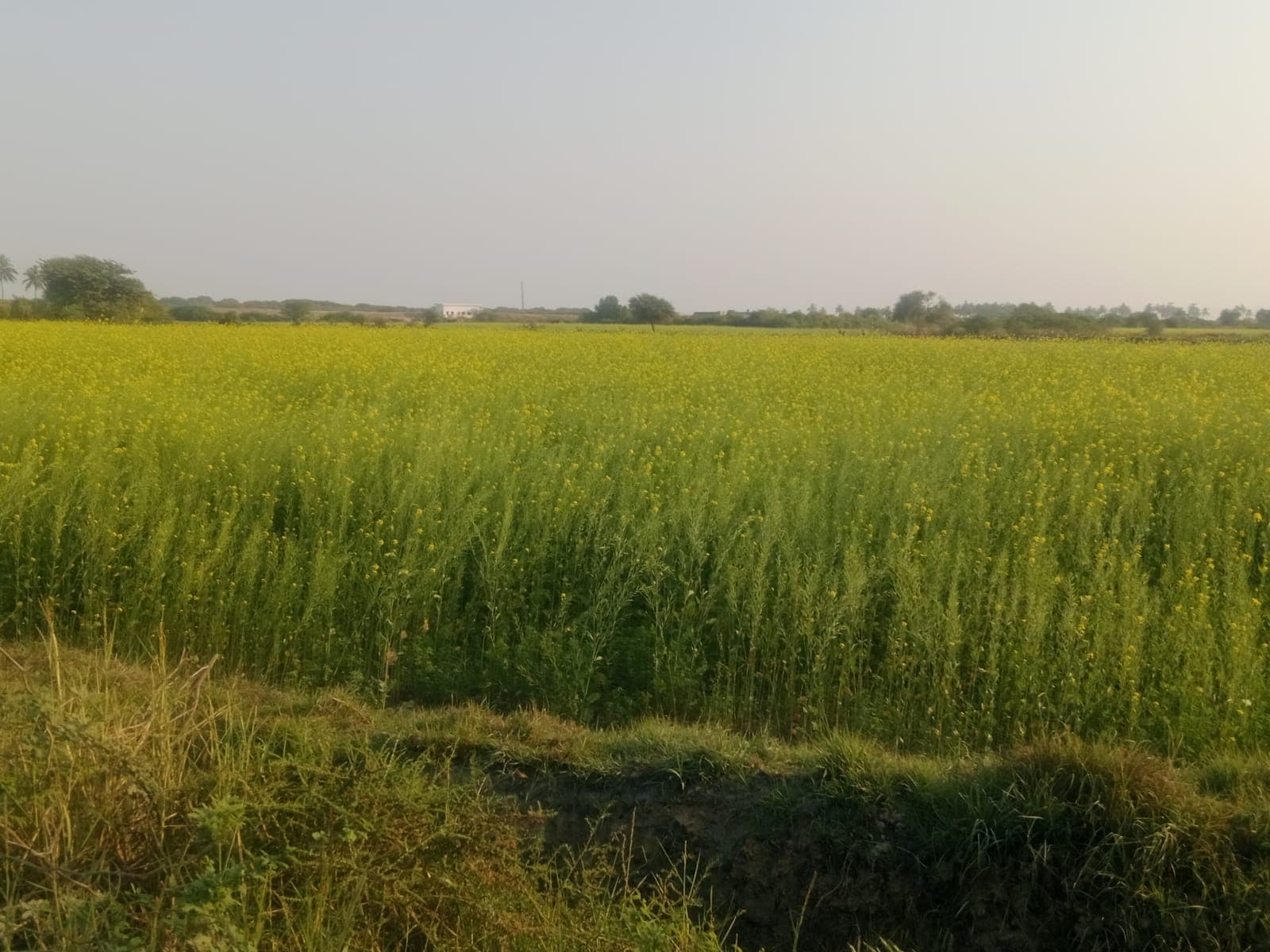
Agriculture
Introduction:Agriculture in rural Sindh, the breadbasket of Pakistan, faces a critical and escalating environmental threat: soil erosion. This is not merely the loss of topsoil; it is a slow-motion disaster that undermines the very foundation of the province's agrarian economy and food security. The fertile alluvial plains, historically nourished by the Indus River, are now being stripped away by both water and wind. Water erosion is particularly severe due to the combination of intense monsoon rainfall on largely flat, unprotected land and the destructive force of uncontrolled surface runoff. This runoff is exacerbated by poor land and water management practices, leading to the formation of devastating gullies that carve up farmland. Concurrently, wind erosion scours away fine, nutrient-rich particles in drier regions, especially when the soil is bare after harvest. This process of degradation directly translates into declining crop yields, pushing already vulnerable farming communities deeper into poverty. The cycle is vicious: poverty prevents investment in land conservation, and worsening erosion entrenches poverty, creating a significant challenge for sustainable development in the region.Problems, Causes, and Solutions1. Problem: Severe Soil ErosionDeforestation & Loss of Vegetative Cover: Widespread removal of trees and native plants for fuel and farmland leaves soil exposed.Monsoon Rains: High-intensity rainfall on bare or compacted soils causes massive sheet and gully erosion.Wind Erosion: Prevalent in arid zones (e.g., Thar) due to loose, dry soil and strong winds.Unsustainable Farming Practices: Excessive tillage, mono-cropping (especially of sugarcane), and lack of crop residues deplete soil structure.2. Problem: Widespread Farmer PovertyLow Yields & Productivity: Direct result of eroded, nutrient-poor soil.Small Landholdings & Tenancy: Many farmers are tenants with insecure rights, lacking incentive or capital for long-term soil investment.High Input Costs & Debt: Increasing costs of seeds, fertilizer, and water against declining returns trap farmers in debt cycles.Market Exploitation: Weak bargaining power and dependence on middlemen reduce profit margins.3. Problem: Inefficient & Bad Ditch/Watercourse SystemNeglect and Siltation: Minor watercourses (field channels) are poorly maintained, filled with silt and weeds, causing water loss and unequal distribution.Unlined Earthen Channels: Most ditches are unlined, leading to massive seepage, waterlogging, and themselves becoming sources of gully erosion.Fragmented Management: Lack of community-based organized maintenance.4. Problem: Poor Drainage and WaterloggingIrrigation Without Drainage: Centuries of intensive surface irrigation without a parallel subsurface drainage system has raised the water tablSalinization: As the water table rises, salts are brought to the surface, rendering large tracts of land infertile ("white death").Blocked Natural Drainage: Infrastructure (roads, railways) and encroachments block natural drainage paths, causing localized flooding and saturation.5. Other Critical Problems:Water Scarcity & Mismanagement: Upstream diversion and inefficient use create scarcity, forcing over-pumping of groundwater, which further degrades soil.Lack of Education & Awareness: Limited access to modern, conservation-based agricultural training for rural farmers. Institutional Weaknesses: Overlapping mandates, lack of enforcement of land use policies, and limited extension services.Integrated SolutionsA. For Soil Erosion & Land Management:Promote Conservation Agriculture: Implement minimum tillage, use cover crops, and maintain crop residues on the soil surface (mulching). Afforestation & Agroforestry: Plant trees on field boundaries and degraded lands to act as windbreaks and stabilize soil. Promote growing trees with crops. Physical Structures: Construct small-scale check dams, bunds, and terraces in erosion-prone areas to slow runoff and trap silt.Crop Diversification: Shift from water-intensive crops to drought-resistant and deep-rooted varieties (e.g., certain pulses, orchards) that hold soil better.B. To Alleviate Farmer Poverty:Access to Microcredit & Grants: Provide affordable loans and direct subsidies for soil conservation infrastructure (e.g., laser land levelers, seed drills).Secure Tenancy Rights: Implement and enforce laws that give tenant farmers security, encouraging long-term investment in land.Value Addition & Farmer Cooperatives: Support farmer-owned processing units and cooperatives to improve market access and bargaining power.C. For Irrigation & Drainage Infrastructure:Watercourse Lining Program: Accelerate and subsidize the concrete lining of field channels (watercourses) to reduce seepage and erosion.Modernization: Introduce high-efficiency irrigation systems (drip, sprinkler) where feasible.Rehabilitation of Drainage Networks: Desilt and repair existing saline water drains (e.g., LBOD, RBOD) and construct new subsurface tile drainage systems in waterlogged areas.D. Institutional & Policy Solutions:Integrated Watershed Management: Address land and water issues holistically at the watershed level with community participation.Extension Services Revival: Strengthen agricultural departments to demonst- rate and educate farmers on soil health and erosion control techniques.Water Pricing & Regulation: Introduce rational water pricing to encourage efficiency and regulate groundwater extraction to prevent salinization.Conclusion:The soil erosion crisis in rural Sindh is a complex, interlinked problem of environmental degradation, infrastructural neglect, and socio-economic vulnerability. Tackling it requires an integrated approach that combines on-farm biological measures (like tree planting and cover crops), investment in hard infrastructure (lined watercourses and drains), and enabling policies that empower and financially support the farmer. Success depends on moving from a sole focus on increasing water delivery for irrigation to a paradigm of soil and water conservation as the bedrock of agricultural sustainability.
Raised: PKR 400,0004%
Goal: PKR 10,000,000
activeView →