Our Projects
Every project represents a step toward a sustainable future.
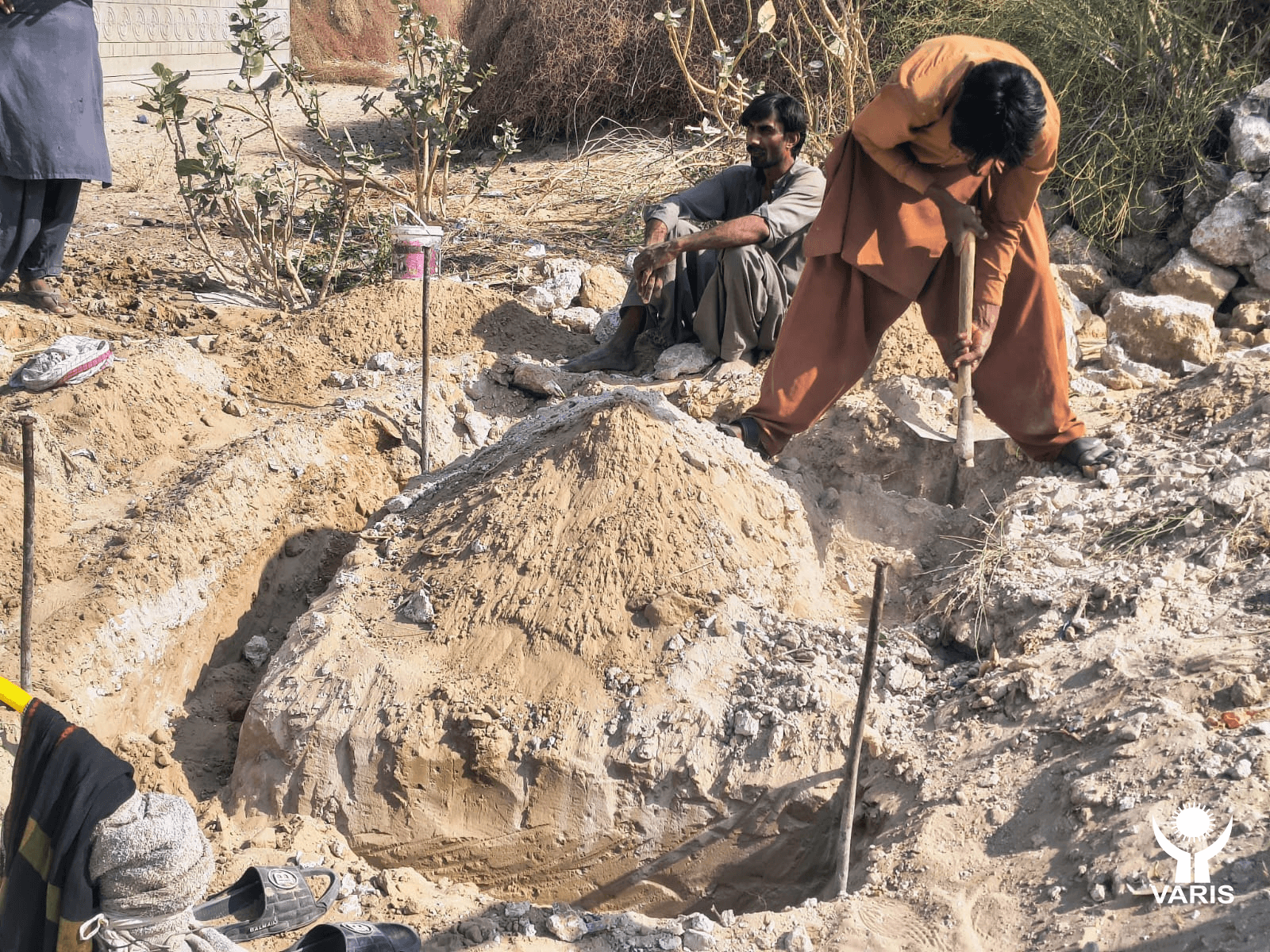 Water Filtration
Water filtration
Introducton:In the arid heart of Sindh, the communities of Tharparkar face a relentless daily struggle: the scarcity of pure and sweet water. This fundamental lack is not just an inconvenience; it is the root cause of hardship, limiting health and opportunity. At [ VARIS ], our mission is singular: to deliver sustainable, life-changing water access. We are actively drilling deep water bores in the parched lands of Tharparkar to tap into clean aquifers. Furthermore, in Garho, we have established a Complete Water Filtration Plant, centrally located to serve as a permanent, reliable source of clean water for the surrounding villages. We ensure this vital resource reaches those who need it most by distributing water through our community center, serving the local population. We invite you to join us in transforming lives, one drop at a time.Key Problems & Our Solutions SectionThe Critical Problems We Address:1. Acute Water Scarcity & Salinity:Tharparkar's groundwater is often brackish, saline, or located at extreme depths, making it unfit for consumption. Women and children walk miles daily to collect often-contaminated water.2. Lack of Reliable Distribution Points:Even where water exists, remote villages lack centralized, managed access points where clean water can be reliably obtained by all.3. The Burden of Distance:The long journeys to fetch water consume time and energy, directly impacting family well-being and children's education.Our Integrated Water Solutions:1. Sustainable Source Creation (Tharparkar Bore Water Project):We employ geological surveying to identify sustainable aquifers and drill deep-water bores, equipped with solar-powered/submersible pumps, to provide a reliable, long-term source of sweet water for entire communities.2. Centralized Purification & Distribution (Garho Water Filtration Plant):Our modern reverse osmosis (RO) and filtration plant in Garho transforms local water into safe, drinkable water. This plant acts as a primary water hub, ensuring a consistent daily supply for the population of Garho and the surrounding villages.3. Community-Centric Access Model:We operate the filtration plant as a vital public utility. Water is distributed efficiently to ensure equitable access for the poor population, directly addressing the core challenge of scarcity and distance.Call to Action for Donors:You can be the source of change.Your generous support directly translates into a permanent solution:· Fund a Meter of Hope:Your donation can sponsor a specific depth of a borehole, reaching a sustainable aquifer.· Sustain a Water Hub:Support the operation and maintenance of our Garho Filtration Plant, ensuring it remains a daily source of life for thousands.· Launch a New Bore:Enable us to drill a complete new water bore, bringing an entire new village to life.Together, we can provide the foundational pillar of water security to the resilient people of Sindh. Invest in a solution that lasts.
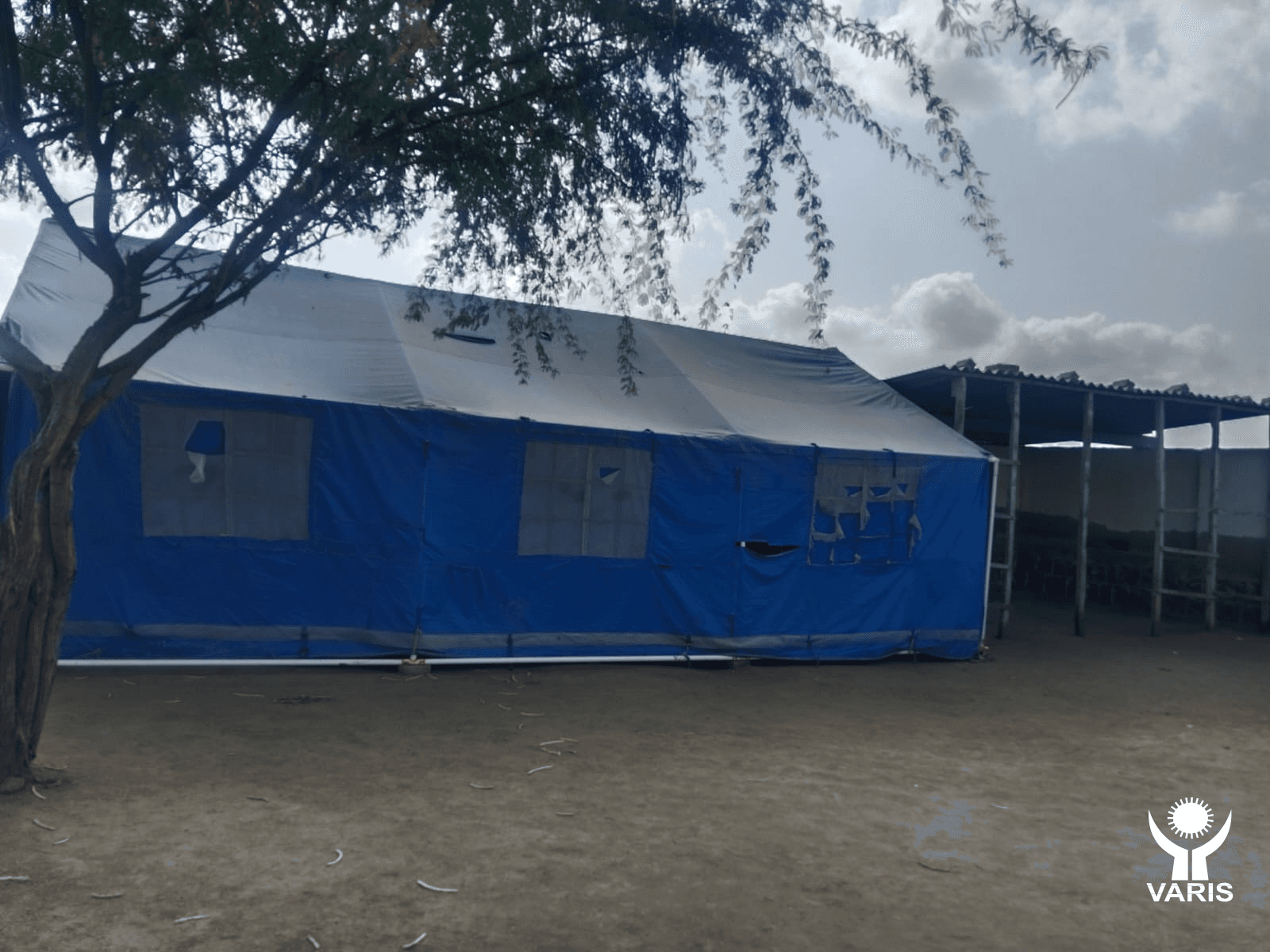 Education
Education in Sindh
Introduction:Our Work in Ghora Bari, Thatta Primary education in rural Sindh remains one of the most neglected sectors of development. Areas such as Ghora Bari in District Thatta face severe shortages of functional schools, trained teachers, and basic learning facilities. Poverty, long distances to schools, and social barriers prevent many children from accessing education, especially girls.Our NGO is working in Thatta – Ghora Bari to provide free and quality primary education to underprivileged children. We run community-based primary schools to ensure that children who are out of school or at risk of dropping out can receive education in a safe and supportive environment.We believe education is not only a basic right but also the strongest tool to break the cycle of poverty and ignorance in rural communities.Current Education Situation in Rural Sindh (Ghora Bari)In villages of Ghora Bari and surrounding areas, the education system faces multiple challenges:Key Problems:Lack of schools: Many villages have no nearby primary school.Teacher shortages: One teacher often teaches multiple grades.Poor infrastructure: Schools lack classrooms, toilets, clean drinking water, and furniture.High dropout rate: Children leave school early due to poverty and family pressure.Low girls’ enrollment: Cultural norms and safety concerns limit girls’ education.Low learning levels: Many students cannot read or write properly after primary grades.Child labor: Children are forced to work instead of attending school.These problems keep generations trapped in poverty and illiteracy.Our Project – Primary Schools in Ghora BariTo address these challenges, our NGO has established and is running primary schools in Ghora Bari, Thatta. Our project focuses on:What We Do:Provide free primary education for poor children.Enroll out-of-school children, especially girls.Hire and train local teachers.Provide books, uniforms, and stationery.Create a safe and child-friendly learning environment.Work with parents and community leaders to promote education.Our schools serve children who would otherwise never enter a classroom.Problems We Address & Our SolutionsProblems Our Solutions:Children do not attend awareness campaigns Poverty prevents learning Free education, books & uniforms lack of teachers teacher recruitment & training unsafe school environment separate toilets & safe classrooms low learning quality activity-based teaching methods girls not enrolled female teachers & parental counselingImpact of Our WorkIncreased school enrollment in target villagesImproved literacy and numeracy skillsMore girls attending schoolStrong community involvementAwareness about the importance of educationOur project is helping build a future where children can dream beyond poverty.Why Donors Should Support UsYour support directly changes lives in rural Sindh by:Educating childrenEmpowering girlsReducing child laborStrengthening communitiesCreating future leadersEvery donation helps a child stay in school and build a better future
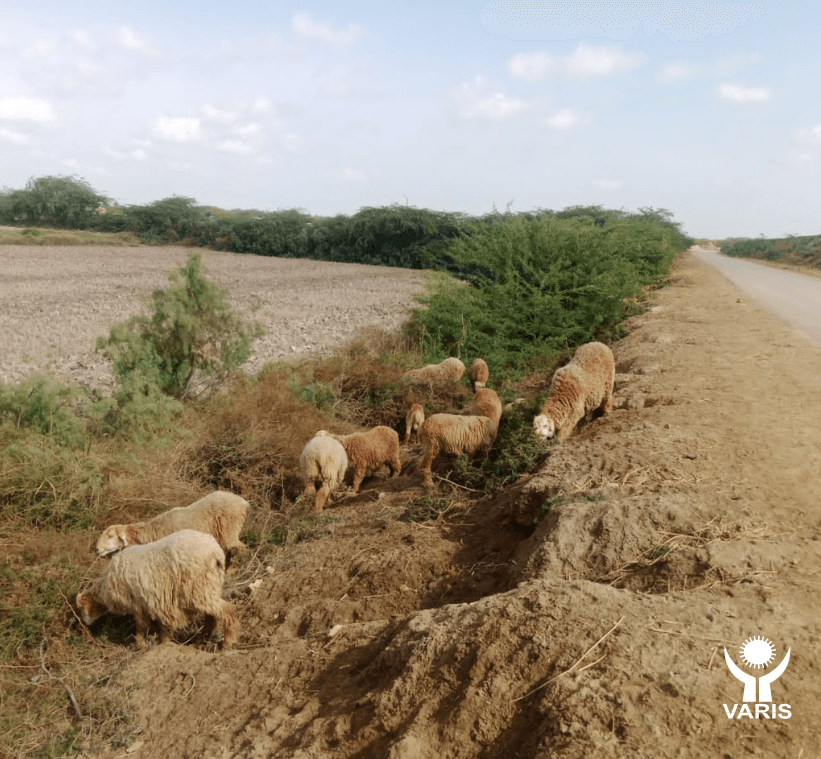 Animal Farming
Farming
Introduction:At the heart of our mission lies a simple, powerful belief:A truly prosperous society is built on a foundation of economic health and physical well-being. We are more than a collection of farms; we are an integrated agricultural ecosystem dedicated to reforming how dairy and meat products are brought to your table. We confront the critical problems of modern industrial farming—environmental strain, animal stress, nutritional dilution, and economic instability for farmers—with a cycle of innovative, ethical, and sustainable solutions. Our vision is to create a transparent model where animal welfare, ecological stewardship, and community prosperity are inseparable from the production of the purest, most nutritious food. We don't just farm; we nurture a healthier future, one pasture, one animal, and one community at a time.Our Integrated Farming Units:A Symphony of Sustainable ProductionEach of our specialized farms operates as a vital component of a closed-loop system, designed to maximize efficiency, minimize waste, and ensure the highest standards of animal care.Regenerative Cattle Ranch:Our cattle graze on rotating, chemical-free pastures. This practice rejuvenates the soil, sequesters carbon, and allows the animals to express their natural behaviors, resulting in beef and dairy products rich in beneficial nutrients like Omega-3s and CLAs.Browsing Goat Dairy:Agile and hardy, our goat herds browse on diverse native vegetation in areas unsuitable for crops. This natural diet produces exceptionally flavorful, easily digestible milk and cheese, while their grazing helps manage land and prevent wildfires.Pasture-Raised Poultry Network:Our chickens and turkeys live in mobile coops moved daily to fresh pasture. They enjoy sunlight, forage for insects and seeds, and naturally fertilize the land, yielding eggs with vibrant yolks and meat of superior texture and taste.Aquaponic & Pond Fish Farm:This is the linchpin of our circular system. Fish are raised in clean, controlled ponds. The nutrient-rich water from the fish is then used to fertilize hydroponic vegetable beds, which in turn purify the water for recirculation. It’s a highly efficient, water-wise model for producing fresh fish and greens.Confronting Industry Problems with Our Actionable SolutionsProblem Area Common Industry Challenge Our Proven SolutionEnvironmental Soil degradation, water pollution from runoff, high greenhouse gas emissions, and deforestation for feed.Regenerative Agriculture:Planned rotational grazing rebuilds topsoil, increases biodiversity, and captures carbon. Our aquaponic system uses 90% less water than traditional farming and produces zero agricultural runoff.Animal Welfare Confined, stressful living conditions (CAFOs) leading to disease, necessitating overuse of antibioticsEthical Husbandry:Animals are raised in species-appropriate environments with space to roam, forage, and socialize. This drastically reduces stress and illness, eliminating the need for routine antibiotics.Product Quality & Health Nutrient-depleted feed and stressful lives lead to less nutritious end products with potential for residual chemicals. Nutrient-Dense Output:Pasture-based diets naturally enhance the nutritional profile of our products. We achieve purity without compromise, offering food as nature intended.Economic Viability for Farmers Volatile commodity markets squeeze small farmers, making sustainable practices seem economically risky. Direct-to-Consumer & Value-Added Model, We shorten the supply chain, ensuring fair returns. We also create value-added products (aged cheeses, smoked meats) and offer agritourism, building a resilient, diversified income stream for our agricultural community.Transparency & Trust Opaque supply chains leave consumers disconnected from and distrustful of their food sources. Radical Transparency:Through live farm cams, open-door visitor days, and detailed product provenance tracking, we invite you to witness our practices firsthand. Trust is our most important crop.Join Us in Nourishing ChangeBy choosing our products, you are casting a vote for a food system that heals the land, honors the animals, sustains farming families, and delivers unparalleled nourishment to your family. You are not just a customer; you are a partner in our mission to create an economically healthy society founded on the principle of true food security.Explore our farms, meet our farmers, and taste the difference that integrity makes. Welcome to the future of farming.
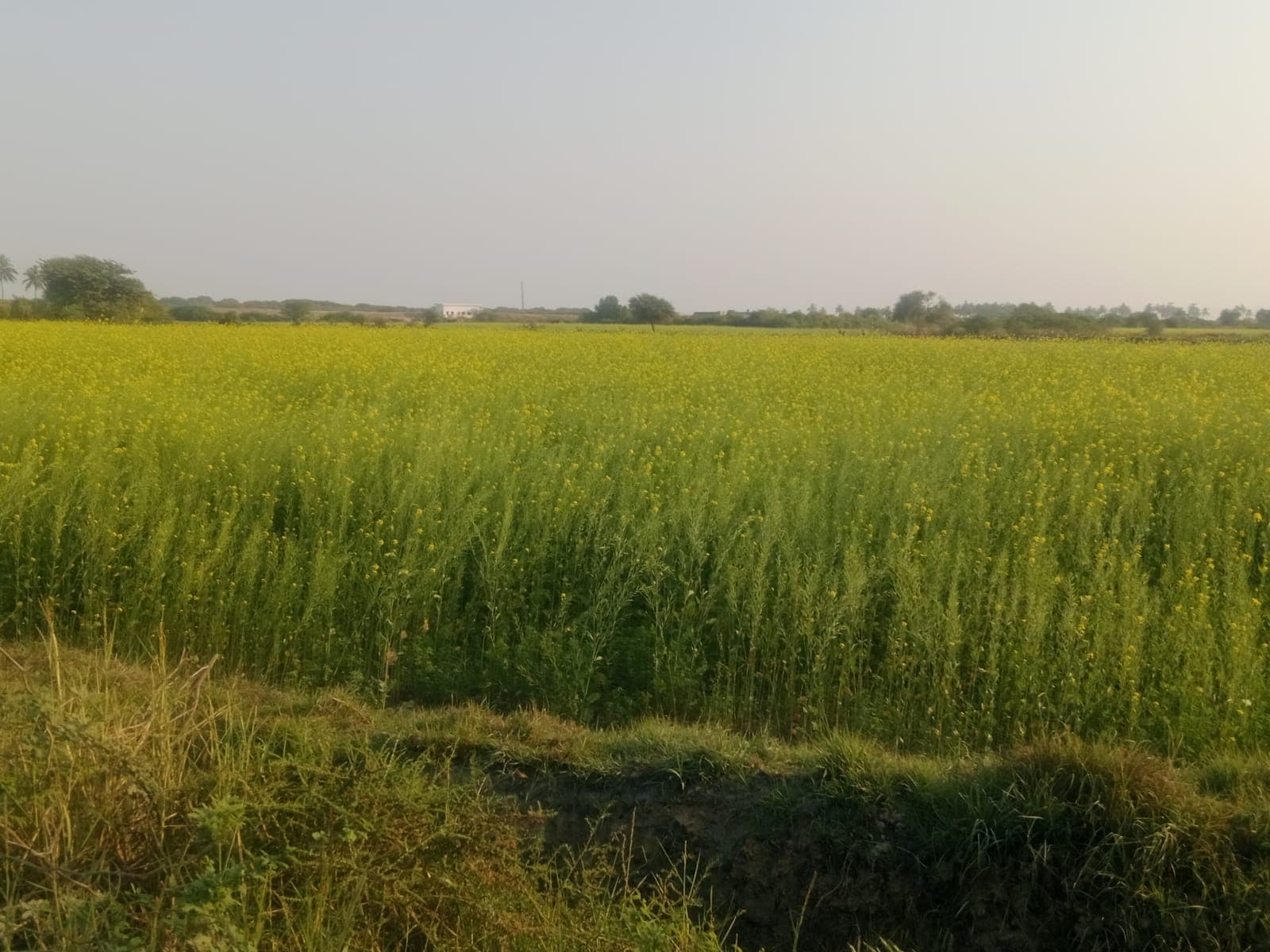 Agriculture
Agriculture
Introduction:Agriculture in rural Sindh, the breadbasket of Pakistan, faces a critical and escalating environmental threat: soil erosion. This is not merely the loss of topsoil; it is a slow-motion disaster that undermines the very foundation of the province's agrarian economy and food security. The fertile alluvial plains, historically nourished by the Indus River, are now being stripped away by both water and wind. Water erosion is particularly severe due to the combination of intense monsoon rainfall on largely flat, unprotected land and the destructive force of uncontrolled surface runoff. This runoff is exacerbated by poor land and water management practices, leading to the formation of devastating gullies that carve up farmland. Concurrently, wind erosion scours away fine, nutrient-rich particles in drier regions, especially when the soil is bare after harvest. This process of degradation directly translates into declining crop yields, pushing already vulnerable farming communities deeper into poverty. The cycle is vicious: poverty prevents investment in land conservation, and worsening erosion entrenches poverty, creating a significant challenge for sustainable development in the region.Problems, Causes, and Solutions1. Problem: Severe Soil ErosionDeforestation & Loss of Vegetative Cover: Widespread removal of trees and native plants for fuel and farmland leaves soil exposed.Monsoon Rains: High-intensity rainfall on bare or compacted soils causes massive sheet and gully erosion.Wind Erosion: Prevalent in arid zones (e.g., Thar) due to loose, dry soil and strong winds.Unsustainable Farming Practices: Excessive tillage, mono-cropping (especially of sugarcane), and lack of crop residues deplete soil structure.2. Problem: Widespread Farmer PovertyLow Yields & Productivity: Direct result of eroded, nutrient-poor soil.Small Landholdings & Tenancy: Many farmers are tenants with insecure rights, lacking incentive or capital for long-term soil investment.High Input Costs & Debt: Increasing costs of seeds, fertilizer, and water against declining returns trap farmers in debt cycles.Market Exploitation: Weak bargaining power and dependence on middlemen reduce profit margins.3. Problem: Inefficient & Bad Ditch/Watercourse SystemNeglect and Siltation: Minor watercourses (field channels) are poorly maintained, filled with silt and weeds, causing water loss and unequal distribution.Unlined Earthen Channels: Most ditches are unlined, leading to massive seepage, waterlogging, and themselves becoming sources of gully erosion.Fragmented Management: Lack of community-based organized maintenance.4. Problem: Poor Drainage and WaterloggingIrrigation Without Drainage: Centuries of intensive surface irrigation without a parallel subsurface drainage system has raised the water tablSalinization: As the water table rises, salts are brought to the surface, rendering large tracts of land infertile ("white death").Blocked Natural Drainage: Infrastructure (roads, railways) and encroachments block natural drainage paths, causing localized flooding and saturation.5. Other Critical Problems:Water Scarcity & Mismanagement: Upstream diversion and inefficient use create scarcity, forcing over-pumping of groundwater, which further degrades soil.Lack of Education & Awareness: Limited access to modern, conservation-based agricultural training for rural farmers. Institutional Weaknesses: Overlapping mandates, lack of enforcement of land use policies, and limited extension services.Integrated SolutionsA. For Soil Erosion & Land Management:Promote Conservation Agriculture: Implement minimum tillage, use cover crops, and maintain crop residues on the soil surface (mulching). Afforestation & Agroforestry: Plant trees on field boundaries and degraded lands to act as windbreaks and stabilize soil. Promote growing trees with crops. Physical Structures: Construct small-scale check dams, bunds, and terraces in erosion-prone areas to slow runoff and trap silt.Crop Diversification: Shift from water-intensive crops to drought-resistant and deep-rooted varieties (e.g., certain pulses, orchards) that hold soil better.B. To Alleviate Farmer Poverty:Access to Microcredit & Grants: Provide affordable loans and direct subsidies for soil conservation infrastructure (e.g., laser land levelers, seed drills).Secure Tenancy Rights: Implement and enforce laws that give tenant farmers security, encouraging long-term investment in land.Value Addition & Farmer Cooperatives: Support farmer-owned processing units and cooperatives to improve market access and bargaining power.C. For Irrigation & Drainage Infrastructure:Watercourse Lining Program: Accelerate and subsidize the concrete lining of field channels (watercourses) to reduce seepage and erosion.Modernization: Introduce high-efficiency irrigation systems (drip, sprinkler) where feasible.Rehabilitation of Drainage Networks: Desilt and repair existing saline water drains (e.g., LBOD, RBOD) and construct new subsurface tile drainage systems in waterlogged areas.D. Institutional & Policy Solutions:Integrated Watershed Management: Address land and water issues holistically at the watershed level with community participation.Extension Services Revival: Strengthen agricultural departments to demonst- rate and educate farmers on soil health and erosion control techniques.Water Pricing & Regulation: Introduce rational water pricing to encourage efficiency and regulate groundwater extraction to prevent salinization.Conclusion:The soil erosion crisis in rural Sindh is a complex, interlinked problem of environmental degradation, infrastructural neglect, and socio-economic vulnerability. Tackling it requires an integrated approach that combines on-farm biological measures (like tree planting and cover crops), investment in hard infrastructure (lined watercourses and drains), and enabling policies that empower and financially support the farmer. Success depends on moving from a sole focus on increasing water delivery for irrigation to a paradigm of soil and water conservation as the bedrock of agricultural sustainability.
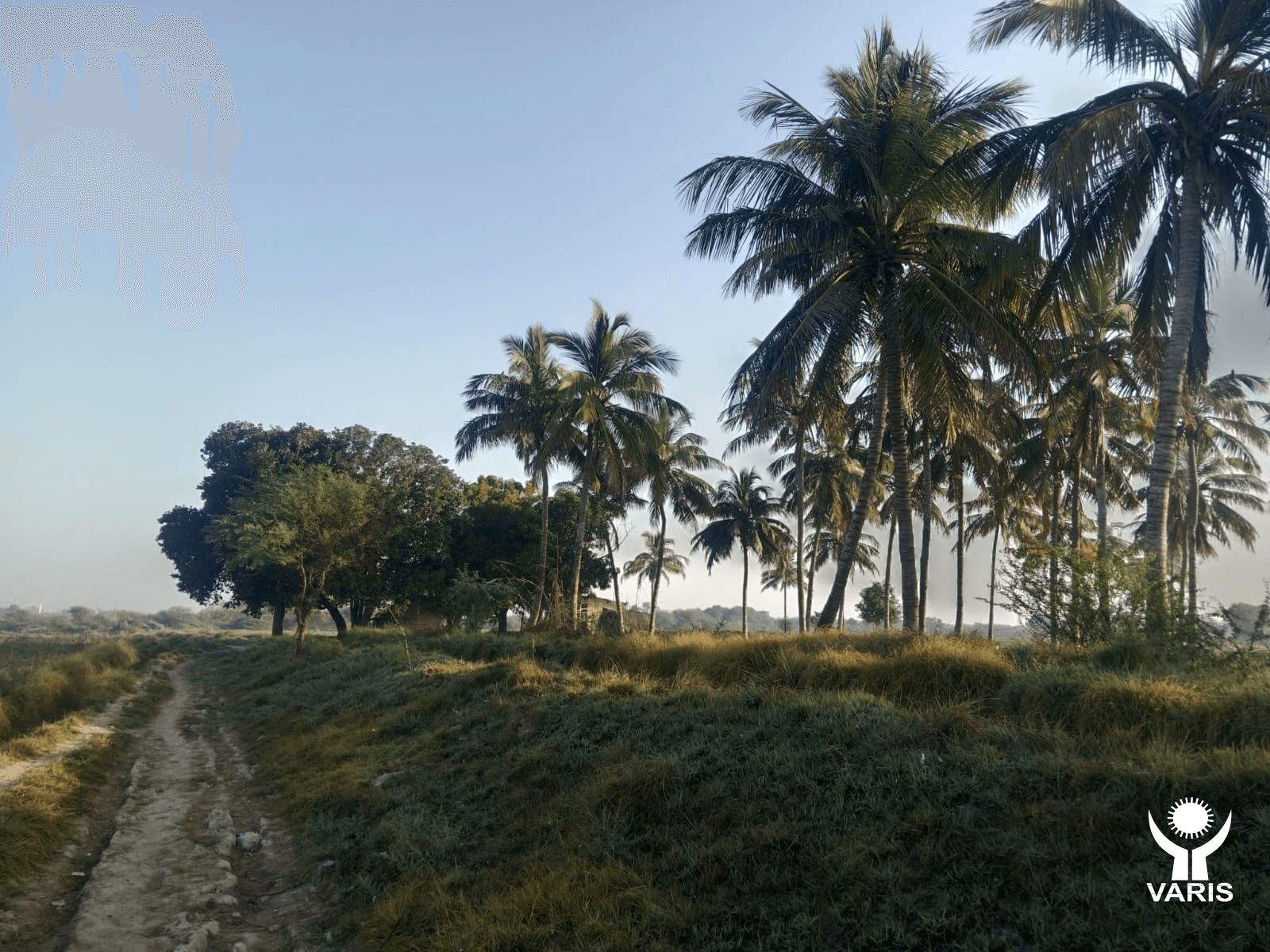 Plantation
Reforestation in Sindh
Introduction:Sindh, a land etched with the legacy of mighty rivers and ancient forests, faces an unprecedented ecological crisis. Rampant deforestation, soaring temperatures, and degraded air and soil quality threaten the health of our communities and the future of our environment. At [Your NGO's Name], we are on a mission to reverse this decline. We believe the powerful, natural solution lies in the roots of native trees. Through targeted plantation and scientific reforestation, we are working to rebuild Sindh’s green cover—transforming barren landscapes into thriving ecosystems. By planting resilient species like the sacred Peepal, the life-giving Neem, and the hardy Kikar, we aim to restore balance: purifying our air, reviving our soils, enhancing rainfall, and forging a path toward a Clean, Green Sindh for generations to come.The Crisis: Sindh's Pressing Ecological Problems (In Precise Points)Deforestation & Desertification: Widespread tree clearing for fuel and land has stripped Sindh of its natural green shield, leading to soil erosion and the advance of barren desert lands.Extreme Climate Vulnerability: Loss of tree cover exacerbates climate change impacts, leading to more intense heatwaves, urban "heat island" effects, and unpredictable weather patterns.Critical Air Pollution: Major urban centers like Karachi and Hyderabad suffer from dangerously high levels of airborne pollutants (PM2.5/PM10), severely impacting respiratory health and public well-being.Disrupted Water Cycle & Rainfall: Reduced vegetation disrupts local humidity and transpiration, contributing to altered and often deficient rainfall patterns, worsening water scarcity.Collapsing Ecosystems: Loss of habitat has led to a decline in native birds, insects, and biodiversity, breaking the natural balance and resilience of our environment.Soil Degradation: Exposed soil loses fertility, becomes saline, and loses its capacity to retain water, crippling agricultural potential and natural plant growth.Our Living Solution: The Power of Strategic Plantation (Solutions in Points)Each tree we plant is a multi-purpose tool for ecological repair. Our plantation drives are the direct solution to the crises above:Climate Mitigation: Trees act as natural carbon sinks, absorbing CO2 and cooling the atmosphere. They provide vital shade, reducing ambient temperatures by several degrees.Natural Air Purifiers: Leaves filter harmful particulate matter and pollutants (like SO2, NOx) from the air, releasing clean oxygen. A single mature tree can purify the air for multiple people.Ecosystem Engineers: Trees create micro-habitats for birds, bees, and wildlife. They restore food webs and bring back biodiversity, creating resilient, living landscapes.Rainfall Regulators: Through the process of transpiration, trees release moisture into the atmosphere, helping to seed clouds and promote local rainfall patterns.Soil Revitalizers: Tree roots bind the soil, preventing erosion. Their leaf litter acts as natural compost, improving soil fertility, structure, and water retention capacity.Community Shields: Green belts protect communities from dust storms, reduce noise pollution, and provide spaces for mental and physical well-being.Our Green Warriors: Trees Championed by Our ProjectWe strategically plant species proven to thrive in Sindh’s climate while offering maximum ecological and community benefits:Neem: The "Village Pharmacy." A natural air purifier, pesticide, and medicinal powerhouse, thriving in arid conditions.Peepal: The "Oxygen Giant." Known for exceptional oxygen output and immense cooling shade, a cornerstone species for ecosystems.Banyan: The "Ecosystem Anchor." Provides vast canopy for biodiversity and is crucial for soil stabilization and water table improvement.Gulmohar: The "Ornamental Protector." Fast-growing, provides brilliant shade, and its flowers support pollinators.Jamun: The "Wildlife Sustainer." Offers nutritious fruit for communities and birds, with excellent carbon sequestration ability.Kachnar (likely correction for 'Kachina'): The "Beautifying Benefactor." Ornamental, drought-resistant, with medicinal leaves and flowers that enrich the soil.Moringa: The "Miracle Tree." Highly nutritious, drought-resistant, grows rapidly in poor soils, and its seeds can help purify water.Kikar (Acacia): The "Pioneer of Barren Lands." A nitrogen-fixer that rehabilitates degraded soils, prevents erosion, and provides fodder and fuelwood.